PRP Microneedling London: Collagen Induction Skin Treatment
If you have researched skin rejuvenation treatments, you have probably come across microneedling and PRP separately. Both produce meaningful improvements in skin quality on their own. Combining the two in a single treatment produces results that neither achieves alone — and for patients looking to address skin texture, tone, scarring, and signs of ageing in one comprehensive session, PRP microneedling in London represents one of the most effective non-surgical options currently available.
At One Aesthetics in Camberwell and Kensington, Mo Ahmed MPharm PGDip offers PRP microneedling as part of a broader skin rejuvenation programme. This guide explains how the combined treatment works, what it treats, and what to realistically expect from a course of sessions.
What Is PRP Microneedling?
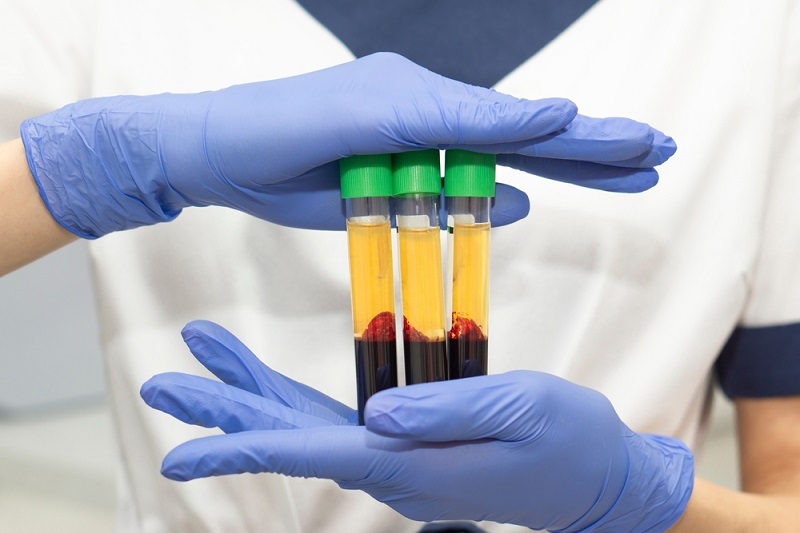
PRP microneedling combines two distinct treatments into a single, synergistic session. Mo first draws a small blood sample, processes it in a centrifuge to concentrate the platelets into Platelet Rich Plasma, and then uses a microneedling device to create thousands of controlled micro channels in the skin surface. He applies the PRP across the skin during and after microneedling, allowing the growth factors to penetrate deeply through the micro channels rather than sitting on the surface.
The result is a treatment that works on two levels simultaneously. Microneedling triggers the skin's wound healing response directly, stimulating collagen and elastin production through controlled physical injury to the skin. PRP amplifies this response by flooding the treatment area with concentrated growth factors that further accelerate tissue repair and regeneration.
Together, the two mechanisms produce a more powerful and more sustained regenerative stimulus than either treatment delivers independently.
How Does PRP Microneedling in London Work?
Understanding why PRP microneedling in London works so well requires a brief look at what each component contributes.
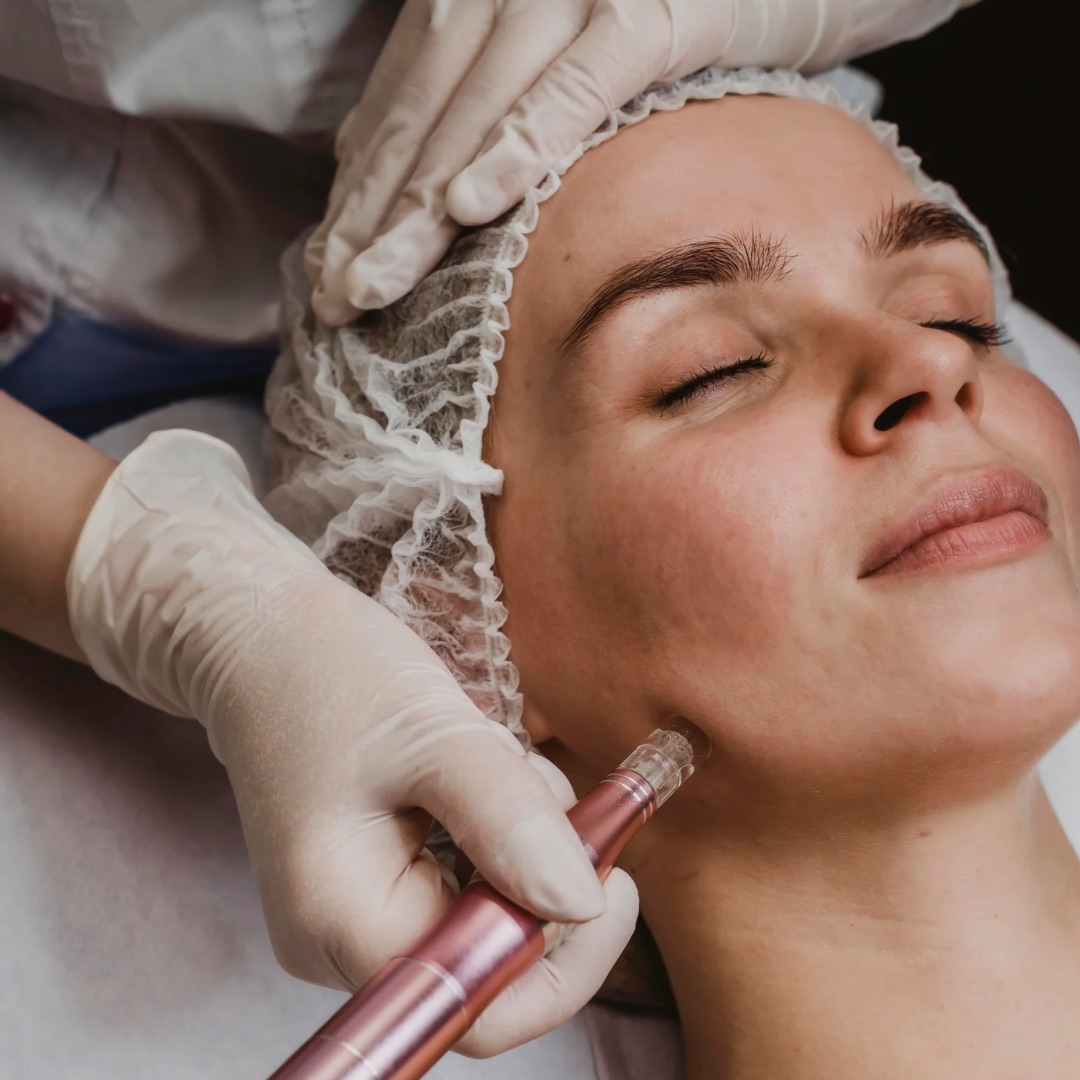
Microneedling uses a device fitted with fine needles to create thousands of micro injuries across the skin surface at a controlled depth. Each micro channel triggers a localised healing response in which the skin recruits fibroblast cells to produce new collagen and elastin. The controlled nature of the injury means the skin repairs itself in an organised, structured way — producing new collagen where it is needed rather than the disorganised scar tissue that forms from uncontrolled skin damage.
PRP contains a concentrated volume of platelets that release growth factors including platelet derived growth factor, vascular endothelial growth factor, and transforming growth factor. These growth factors signal to the surrounding cells to accelerate repair and regeneration. When Mo applies PRP immediately after microneedling, the micro channels act as direct delivery pathways for the growth factors, driving them into the dermis where they produce the most meaningful regenerative effect.
The combination means the skin receives a dual stimulus for collagen production simultaneously, producing faster, more visible, and longer lasting results than microneedling or PRP alone.
What Does PRP Microneedling Treat?
PRP microneedling in London addresses a wide range of skin concerns across the face and body:
Acne scarring responds particularly well to PRP microneedling. The combination of collagen induction and growth factor stimulation gradually remodels scar tissue, reducing the depth and visibility of atrophic acne scars over a course of treatment. This is one of the strongest indications for PRP microneedling and produces some of the most significant results.
Skin texture and pore size improve meaningfully with PRP microneedling. Patients with rough, uneven, or enlarged pore texture notice a real refinement in skin surface quality after a course of sessions.
Fine lines and early wrinkles soften as new collagen rebuilds the structural support beneath the skin surface. PRP microneedling suits patients with early to moderate signs of skin ageing who want to address them before they deepen.
Skin laxity and firmness improve as the new collagen and elastin produced through treatment restore the structural integrity of the skin. Patients notice the skin feeling firmer and looking more lifted over the course of the treatment programme.
Uneven skin tone and pigmentation respond well to the increased skin cell turnover triggered by microneedling. Combined with the regenerative effect of PRP, patients notice a progressive improvement in overall skin tone and a reduction in areas of discolouration.
Stretch marks on the body respond to PRP microneedling in a similar way to acne scarring. The collagen induction and growth factor stimulation gradually remodel the scar tissue that gives stretch marks their characteristic appearance. Results take longer than facial treatment but can produce meaningful improvements over a sustained course.
General skin rejuvenation suits patients who want to comprehensively improve overall skin quality, radiance, and health. PRP microneedling produces a broad improvement across all aspects of skin quality simultaneously.
Who Is PRP Microneedling Suitable For?
PRP microneedling suits a wide range of patients. Good candidates include:
- Those with acne scarring they want to reduce progressively over a course of treatment
- Patients with uneven skin texture, enlarged pores, or rough skin surface quality
- Those experiencing early to moderate signs of skin ageing including fine lines, loss of firmness, and uneven tone
- Patients who want a natural, non-synthetic treatment that uses the body's own biology
- Those who want to treat multiple skin concerns in a single treatment session
- Patients who have tried other skin treatments with limited results and want a more active regenerative approach
PRP microneedling also suits patients who want to treat areas beyond the face. The treatment works well on the neck, décolletage, hands, and areas of the body with stretch marks or textural irregularities.
Who Is PRP Microneedling Not Suitable For?
Mo assesses suitability carefully at consultation. PRP microneedling is not appropriate for:
- Patients with active acne breakouts or inflamed skin in the treatment area
- Active skin infections or cold sores
- Blood disorders or those taking anticoagulant medication
- Those who are pregnant
- Patients with a history of keloid scarring
- Those with very low platelet counts
Mo gives every patient an honest assessment at consultation. If PRP microneedling is not appropriate for your situation, Mo will explain what would work better for your specific skin concerns.
What to Expect at Your PRP Microneedling Appointment
The Consultation
Every appointment at One Aesthetics begins with a thorough consultation. Mo assesses your skin, discusses your concerns and treatment goals, and determines whether PRP microneedling, standalone PRP injection, or an alternative approach best suits your skin type and objectives. Mo takes baseline photographs at consultation to track your progress over the course of treatment.
The Treatment
Mo applies topical numbing cream to the treatment area before the session as standard. The numbing cream takes approximately 20 to 30 minutes to take full effect.
Mo draws a small blood sample from your arm and processes it in the centrifuge while the numbing cream works — this takes approximately 10 to 15 minutes and produces the PRP solution used during treatment.
Mo passes the microneedling device systematically across the treatment area, adjusting the needle depth according to the area being treated and the concern being addressed. He applies the PRP across the skin throughout the microneedling process and again immediately after, ensuring maximum absorption through the open micro channels.
Most patients describe the sensation as a mild vibration or scratching across the skin. The full treatment takes approximately 45 to 60 minutes depending on the areas treated.
After Treatment
The skin appears red and feels warm immediately after PRP microneedling, similar to mild sunburn. This is a normal and expected part of the inflammatory healing response and typically settles within 24 to 48 hours.
- Do not apply makeup for 12 hours after treatment
- Avoid touching the face unnecessarily for the first 12 hours
- Avoid intense heat including saunas, steam rooms, and hot showers for 48 hours
- Apply SPF 50 daily for at least one week after treatment and avoid direct sun exposure
- Normal skincare can resume after 48 hours
Most patients return to normal activities within 24 to 48 hours of treatment.
How Many Sessions Do You Need?
PRP microneedling works best as a course rather than a single session. Mo recommends an initial course of three to four sessions spaced four weeks apart. For acne scarring specifically, patients may need four to six sessions depending on the depth and extent of the scarring. Mo reviews progress between sessions and adjusts the treatment plan accordingly.
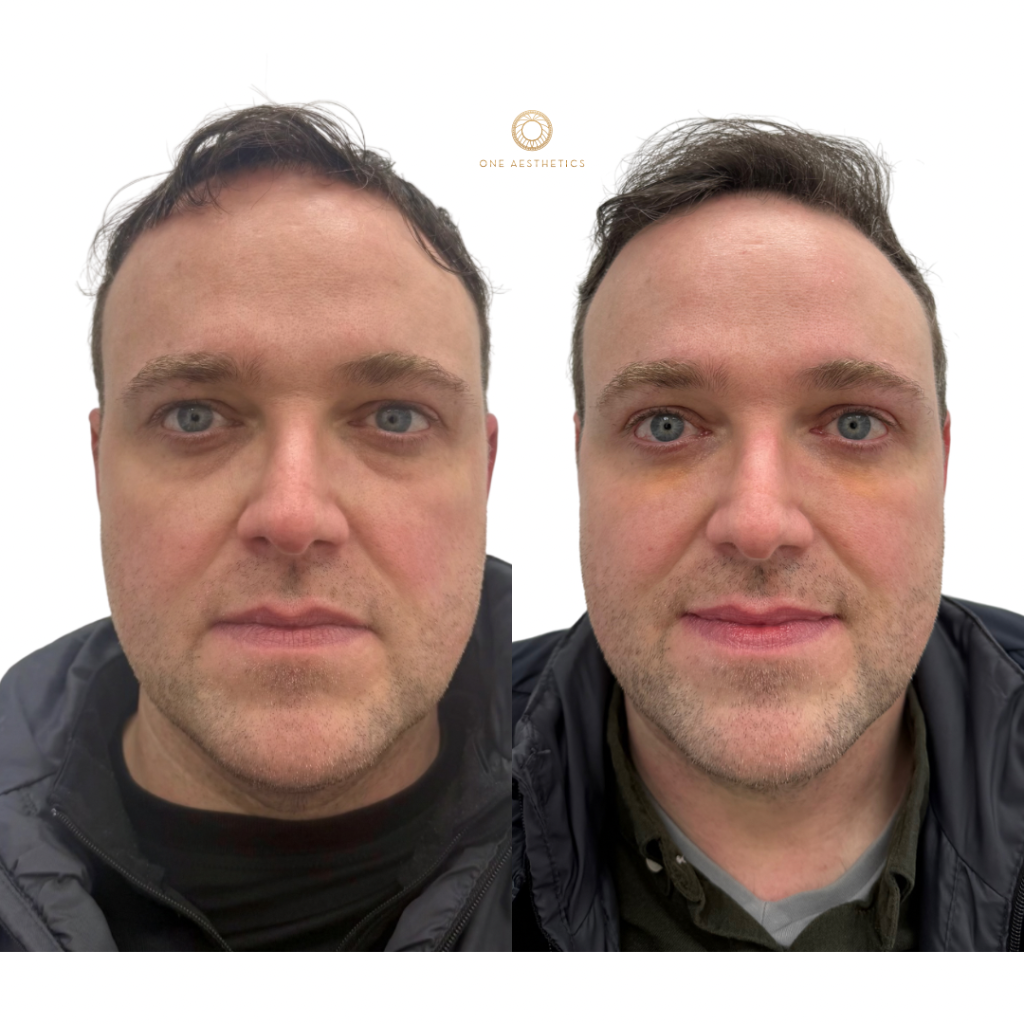
Most patients notice initial improvements in skin radiance and texture within one to two weeks of the first session. More significant improvements in texture, tone, and firmness become visible progressively over the course of the programme and continue to build for six to eight weeks after completing the final session.
After completing the initial course, Mo recommends a maintenance session every six to twelve months to sustain the improvements achieved.
How Long Do PRP Microneedling Results Last?
Results from a full PRP microneedling course typically last twelve months or longer with appropriate maintenance. Age, skin type, sun exposure, smoking, and consistency of aftercare all influence longevity. Patients who commit to the full initial course and maintain regular annual sessions tend to see cumulative improvements over time, as each treatment cycle builds on the collagen foundation established by previous sessions.
PRP Microneedling London: Why Choose One Aesthetics?
One Aesthetics offers PRP microneedling at two London locations. The Camberwell clinic at 62 Coldharbour Lane SE5 9PU serves patients from across South London including Brixton, Peckham, Herne Hill, Dulwich, and Bermondsey. The Kensington clinic at 371 Kensington High Street W14 8QZ serves patients from Chelsea, Notting Hill, Fulham, Hammersmith, and West London.
Mo Ahmed's background in pharmacy gives him a detailed clinical understanding of how PRP works and how to achieve consistent results. He uses the DPM8 microneedling device at One Aesthetics — a professional-grade device that delivers precise, controlled needle depth across all skin types.
Mo approaches every PRP microneedling session conservatively, reviews results between treatments, and adjusts the needle depth and PRP application according to how the skin responds.
Frequently Asked Questions
How is PRP microneedling different from a PRP facial? Both treatments use platelet rich plasma to stimulate skin regeneration. PRP microneedling specifically combines the PRP with the microneedling device, which creates micro channels that drive the PRP deeper into the skin and simultaneously trigger the skin's own wound healing response. PRP microneedling tends to produce stronger improvements in texture and scarring.
Does PRP microneedling hurt? Mo applies topical numbing cream before every session as standard. Most patients find the procedure very comfortable with only mild vibration or warmth during treatment.
How soon will I see results from PRP microneedling in London? Most patients notice improved skin radiance and hydration within one to two weeks of the first session. More significant improvements in texture, scarring, and firmness typically become visible after the second or third session and continue to develop for six to eight weeks after completing the full course.
Can I combine PRP microneedling with other treatments at One Aesthetics? Yes. Mo regularly combines PRP microneedling with anti-wrinkle injections, dermal fillers, Profhilo, and Sunekos for patients who want to address multiple concerns in a coordinated treatment plan. Mo advises on the most appropriate sequencing and timing at consultation.
How much does PRP microneedling cost in London? Mo discusses pricing transparently at consultation before any treatment takes place. Costs depend on the areas treated and the number of sessions in your course. Visit our fees page or call 020 3987 0044 for more information.
What device does One Aesthetics use for microneedling? Mo uses the DPM8 microneedling device at One Aesthetics — a professional-grade device that delivers precise and consistent needle depth across all skin types and treatment areas.
Is PRP microneedling safe? Yes. PRP microneedling combines two well-established, evidence-backed treatments. The use of your own blood eliminates the risk of allergic reaction. As with any skin treatment involving needles, a qualified medical professional should administer it — which is why every session at One Aesthetics is performed by Mo Ahmed himself.
Ready to improve your skin with PRP microneedling in London? Book a consultation at One Aesthetics in Camberwell or Kensington. Mo Ahmed MPharm PGDip will assess your skin, discuss your goals, and recommend the most appropriate treatment plan for your specific concerns. Learn more about our Microneedling treatment.
Ready to book a consultation?
Our qualified team is here to help you achieve your aesthetic goals safely and naturally.
Book Free Consultation